July 24, 2026
In the fast-paced world of product development and manufacturing, the demand for rush prototype jobs presents a unique challenge for powder coating businesses. These companies must efficiently manage their resources to provide quick turnaround times while maintaining exceptional quality, which is crucial for meeting client expectations and preserving a competitive edge. This article explores the integral components of handling rush prototype projects in the industry, with an emphasis on strategic planning, technological advancements, and effective communication. As product timelines continue to shrink across multiple industries, the ability to respond quickly has become a major differentiator for service providers.
Many commercial powder coating companies understand that speed alone is not enough. Clients also expect consistent finishes, durability, and dependable communication throughout the process. This combination of speed and precision is what separates top-performing operations from average providers.
1. Understanding the Urgency of Rush Prototype Jobs
The speed of product development is a driving force in today's manufacturing landscape, making the need for rapid prototyping services particularly pressing. Companies that excel in delivering fast turnaround times often gain a significant market advantage by enabling clients to quickly test and refine their designs. This urgency stems from increasingly demanding consumers and ever-shortening product lifecycles, necessitating businesses to remain agile and responsive.
Client expectations in rush prototype jobs are notoriously high, as they anticipate speedy delivery without sacrificing quality. The ability to meet these demands can make or break a company's relationship with its clients, underscoring the importance of maintaining a delicate balance between efficiency and excellence. Commercial powder coating companies must manage client relationships carefully to ensure expectations are clearly understood and consistently met.
Delays in prototype delivery can have significant repercussions, including lost business opportunities and diminished client trust. In industries where first-mover advantage can dictate success, swift and accurate service can directly influence market position. Balancing timeliness with quality requires a strategic approach, allowing businesses to navigate complex production schedules successfully.
2. Initial Assessment and Feasibility Analysis
The process of accepting a rush prototype job begins with an in-depth assessment of the project's requirements. This crucial step involves gathering all necessary details about prototype specifications, timelines, and any special coatings or finishes needed. Conducting a comprehensive needs assessment establishes a realistic framework for the project and reduces the likelihood of unexpected setbacks.
Following the initial assessment, a detailed resource availability check is conducted. This step evaluates the availability of crucial assets such as raw materials, manpower, and production capacity. By identifying potential bottlenecks early, companies are better equipped to allocate resources efficiently and avoid workflow disruptions.
Risk analysis and contingency planning are indispensable for project success. Identifying possible delays, supply chain issues, or equipment constraints allows businesses to develop mitigation strategies in advance. Commercial powder coating companies that proactively plan for disruptions often maintain stronger operational consistency during high-pressure jobs.
3. Strategic Scheduling and Resource Allocation
Once feasibility is confirmed, production queues must be adjusted to accommodate rush prototype jobs. Strategic scheduling enables resources to be allocated in a way that maximizes efficiency while minimizing disruption to ongoing operations. Prioritizing urgent jobs helps companies maintain commitments to both rush and standard clients.
Efficient staff assignment is critical in managing rush jobs, as it involves matching employee skill sets with project requirements. Cross-training workers creates flexibility, allowing teams to shift roles when workloads increase. This adaptability reduces delays and improves production responsiveness.
Optimization of equipment and facilities further supports rapid prototype processing. Ensuring machinery is well maintained and operating at peak performance minimizes downtime and enhances throughput. Some commercial powder coating companies also rely on trusted external partners to provide overflow capacity during periods of high demand.
4. Implementing Technological Solutions
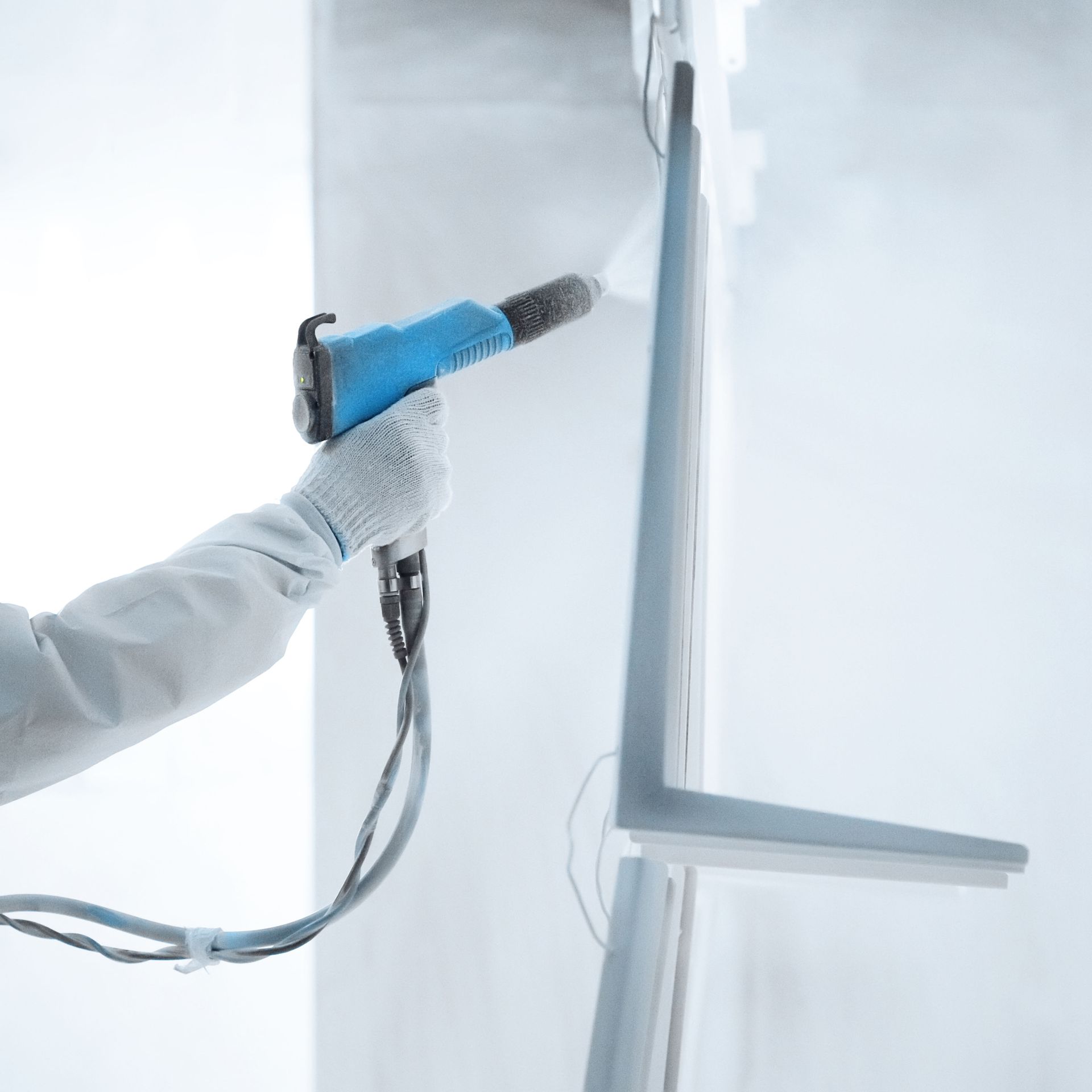
Advanced technologies in powder coating have revolutionized how rush prototype jobs are handled. Equipment such as precision coating machinery and automated spray systems ensures consistent, high-quality finishes. By adopting these technologies, businesses speed production while improving coating durability and reliability. According to PCI Magazine, commercial powder coatings can withstand over 1,000 hours of salt spray exposure, demonstrating strong corrosion resistance in demanding environments.
Automation plays an increasingly important role in accelerating powder coating operations. From robotic arms to conveyor systems, automating repetitive tasks reduces human error and increases throughput. Faster setup and more accurate application help improve turnaround times without compromising finish quality.
Software platforms for workflow optimization also contribute significantly. Project management tools, inventory systems, and real-time analytics enable immediate tracking and faster decision-making. Commercial powder coating companies that integrate digital tools often gain better visibility into production timelines and resource usage.
5. Communication and Client Relations
Setting clear expectations with clients from the outset is essential when managing rush prototype jobs. Transparent discussions regarding timelines, costs, and deliverables foster trust and reduce misunderstandings. Early communication ensures alignment between company capabilities and client demands.
Regular progress updates keep clients informed throughout the production cycle, building confidence and allowing adjustments when necessary. This proactive communication minimizes surprises and strengthens collaboration. Frequent updates also reassure clients that urgent deadlines remain on track.
Transparent pricing and well-defined contracts provide a foundation for strong working relationships. Businesses should clearly outline cost estimates, potential additional charges, and payment terms to prevent disputes. Commercial powder coating companies that maintain financial clarity often build stronger long-term partnerships with repeat clients.
6. Quality Assurance and Final Delivery
Implementing stringent quality control checks throughout production is critical for maintaining high standards in rush prototype jobs. Checkpoint reviews ensure compliance with specifications and industry requirements. Strong quality assurance processes help preserve reliability even under compressed timelines.
Testing prototype functionality before delivery confirms performance expectations are met. These evaluations ensure prototypes are not only visually appealing but also mechanically sound and fit for intended use. Careful inspection reduces the likelihood of costly post-delivery issues.
Logistics planning ensures final delivery remains seamless. Coordinating packaging, shipping, and handling with precision supports on-time arrival while protecting finished parts. Commercial powder coating companies often invest in specialized packaging methods to preserve surface integrity during transportation.
7. Supply Chain Coordination for Faster Turnarounds
Supply chain coordination plays a major role in successfully completing urgent prototype projects. Even the most efficient production floor can experience delays if raw materials, powders, masking supplies, or packaging materials are unavailable when needed. Maintaining reliable supplier relationships allows businesses to secure essential materials quickly, reducing downtime during time-sensitive jobs. Companies that establish backup vendors also gain added protection against shortages or shipping delays.
Inventory forecasting further improves turnaround speed by helping businesses anticipate demand for commonly used materials. By monitoring usage patterns and maintaining appropriate stock levels, teams can avoid last-minute procurement issues. This proactive approach supports smoother workflows and helps ensure production schedules remain on track during high-demand periods.
8. Continuous Improvement Through Post-Project Review
After completing a rush prototype job, reviewing the project can uncover valuable insights for future improvement. Teams can evaluate what worked efficiently, where bottlenecks occurred, and which processes caused delays. This review process creates opportunities to refine scheduling, improve communication, and enhance operational efficiency. Over time, continuous improvement strengthens a company's ability to handle increasingly complex rush projects while maintaining both speed and consistent coating quality.
Managing rush prototype jobs requires an integrated approach that combines strategic planning, modern technology, efficient scheduling, and strong client communication. Companies that successfully balance speed with quality gain a significant advantage in competitive manufacturing sectors. Commercial powder coating companies that embrace flexibility, innovation, and rigorous quality standards are better positioned to meet demanding deadlines while delivering exceptional results. A forward-thinking mindset and commitment to excellence remain essential for sustained success in this evolving industry. Contact our team at JC Powder Coating today and learn more about our powder coating services.